Megatrend · whole-trend overview
If aging is a "disease," who's trying to cure it?
This trend isn't about caring for people who are already old (that's the Aging Population trend) — it's a far more audacious bet: slowing, stopping, or reversing aging at the cellular level. Billionaires like Bezos and Altman are pouring in billions, Nobel-winning scientists have joined the field — but here's the honest catch up front: most of the work hasn't been proven in humans yet. This lesson is the map that strings the 7 categories together — which ones are dream science, and which are businesses already making real money today (each category has its own deep-dive chapter).
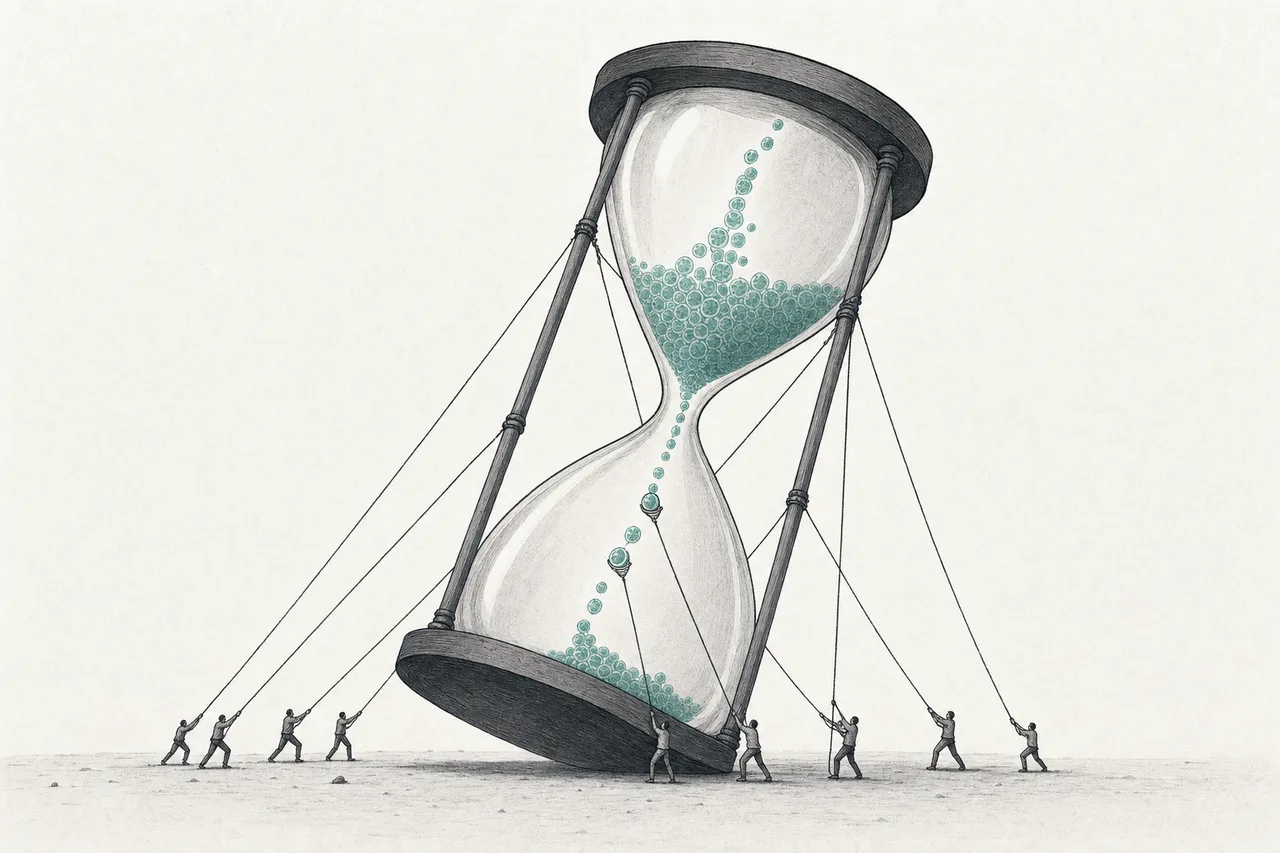
01The big picture: chasing the "cause of aging"
All of medicine today plays whack-a-mole — get cancer, treat the cancer; heart disease, treat the heart; dementia, treat the brain. But a group of scientists asks a different question: if aging itself is the root cause that makes all these diseases show up together as we get old, why don't we treat aging directly?
That's the heart of the Longevity trend — not caring for old people (that's Aging Population, which sells nursing homes, medical devices, and care services), but intervening in the biology of aging itself, to extend the "years you stay healthy" (healthspan), not just lifespan.
The money flowing in reflects the excitement. In 2024, investment in longevity biotech rebounded to roughly $8.49 billion, nearly double 2023. And if you count the broad "longevity market" (testing, drugs, supplements, services), some shops see it growing from ~$65 billion (2023) to ~$300 billion by 2030.
But these pretty numbers hide a truth worth saying up front: most of this trend's science hasn't been proven in humans yet. Plenty of companies have only mouse results paired with valuations floating on hope. What's actually "investable" today is the more ordinary stuff — health screening, GLP-1 drugs, and supplements — not the moonshot that reverses aging. Let's lay out the map so you can tell which is which.
02The map: what the 7 sub-categories are
This trend splits into 7 categories, grouped into 4 "roles" by what they do in the chain — each has its own deep-dive lesson (tap to read):
Role 1 — platforms that "go after aging itself" (deep science, high risk)
- Cellular Reprogramming & Rejuvenation: uses "Yamanaka factors" to partly reprogram old cells back to a younger state — the field's boldest thesis (Altos Labs, Retro), with human trials only starting in 2025–2026
- Senolytics & Senescence Modulation: "sweeps out" the zombie cells (senescent cells) that pile up with age and leak inflammatory signals — a beautiful idea, but pioneer Unity shut down in 2025
- Metabolic Aging & Geroprotectors: small-molecule drugs aimed at aging's metabolic-inflammatory pathways (mTOR, NLRP3) — including the legendary heroes rapamycin and metformin
Role 2 — applications that already sell (real revenue)
- NAD+ & Cellular Energetics: supplements that refill the "cellular fuel" (NMN/NR) and direct-to-consumer NAD+ IV drips — a category with real revenue and real profit, even if the evidence is still debated
- GLP-1 Healthspan Proxies: weight-loss/metabolic drugs (Ozempic, Zepbound) seen, almost by accident, as "anti-aging drugs" — their real home is Metabolic & Obesity, but they sit here as the closest-to-reality investment proxy
Role 3 — services that "measure and deliver"
- Longevity Diagnostics & Aging Clocks: "biological clocks" that measure how old your body actually is (epigenetic clock) — the tool every approach needs to prove it works
- Longevity Clinics & Healthspan Services: pricey membership clinics that bundle testing, hormones, and health protocols — the "storefront" that sells it all to the wealthy
03How it connects (target → method → measure → deliver)
The best way to understand this trend isn't as a factory-style production chain, but as an "attack map" — in the middle sits aging itself (the hallmarks of aging: zombie cells piling up, genes degrading, metabolism breaking, cellular energy dropping). Each category is a different "weapon" aimed at that same single point, plus categories that "measure" and "deliver."
The most important part of this map is the "measure" category (aging clock) — because the trend's biggest problem is this: if you take an anti-aging drug today, how do you know it worked? You can't wait 30 years to see if you die later. So the biological clock is the "ruler" every approach has to rely on — if the ruler isn't accurate, the whole field can't prove itself.
04Where the value is (with moonshots that haven't paid out)
This is the chapter that has to be the most honest, because in this trend "the most exciting place" and "the place that actually makes money" sit in different corners. The category grabbing the headlines and sucking in the most investment (cellular reprogramming) is the one with no product, no revenue, and maybe another decade before anyone knows if it works.
This trend's rule is upside-down from a typical tech trend: the value you can actually invest in today is piled up in the "boring stuff" — GLP-1 drugs with hundreds of billions in revenue, NAD+ supplements that turn a real profit, and clinics charging $20,000-a-year memberships. The scientific moonshots (reprogramming, senolytics) are "expensive options" — change-the-world if they hit, but very likely to fail.
The lesson for reading this trend: don't just ask "is this company doing longevity?" — ask "is it actually selling something and making money today, or is it a bet on unproven science?" — those two are risks from completely different worlds.
05Forces that move the whole trend
Even though each category has its own story, four big forces move the whole trend at once:
1. The GLP-1 phenomenon (the halo) — weight-loss drugs became the first tangible "proof" that a single drug can lower the risk of several diseases at once. A 2025 study found semaglutide cut kidney-failure risk by ~16%, and in a small study lowered "biological age" by 3–5 years. That success made the idea of "treating aging as a disease" instantly more believable — pulling money and attention into the whole field.
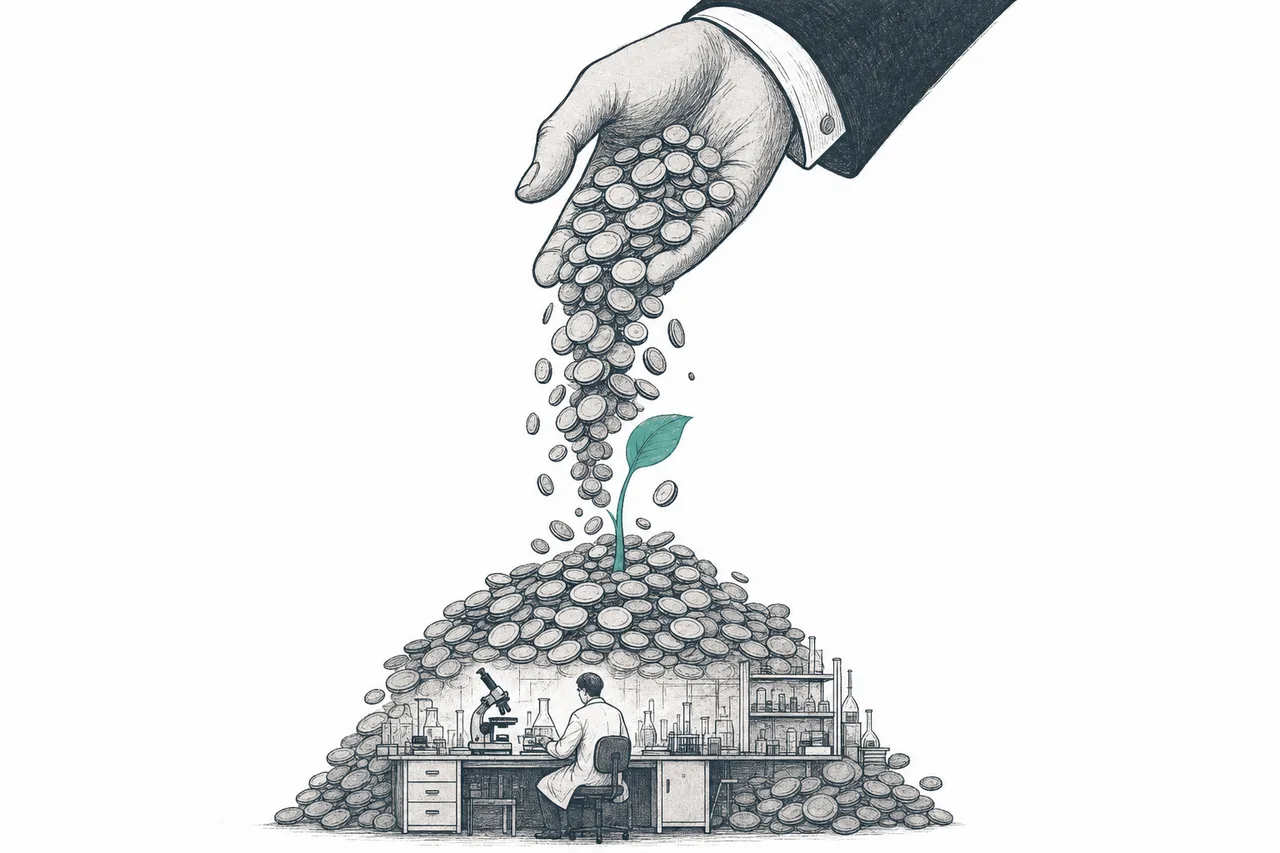
2. Billionaire capital — this trend is fed by the private fortunes of the world's richest people who "don't want to die." Jeff Bezos and Yuri Milner backed Altos Labs with $3 billion in seed funding, and Sam Altman put money into Retro Biosciences. It's both a blessing and a curse: the money lets research advance with no revenue, but it also inflates valuations far beyond the scientific basis.
3. Science starting to "ripen" — the hallmarks of aging have become a framework scientists broadly accept. Third-generation biological clocks (DunedinPACE) made "measuring aging" possible, and in 2025–2026 several projects entered their first human trials — the field is shifting from "theory in mice" to "testing in humans," slowly and riskily.
4. A regulatory path that isn't clear yet — this is the biggest wall, because the FDA doesn't treat "aging" as a disease, so there's no path to approve an "anti-aging drug" directly. Companies have to detour and get approval as a drug for a specific disease (like kidney disease or frailty), then hope for an anti-aging side effect. The TAME trial (metformin in 3,000 people) is trying to open this door, but it still lacks funding.
06Where it stands now + the champion of each category
2025–2026 is a turning point — moonshot projects are starting human trials, GLP-1 is proving the concept for the whole field, while some pioneers (senolytics like Unity) have vanished, a reminder of how brutal this road is. Below are the "champions" of each category — notice that the biggest and most stable ones are usually the "proxies," not the moonshots:
07The future, and the risks worth stating plainly
Looking ahead, this trend holds both the potential to change the world and the risk of being just a rich person's bubble — and you always have to watch both sides together.
On the opportunity side: 2025–2026 is the first time many moonshots enter real human trials. If even one of them (cellular reprogramming, or a new senolytic) shows results in humans, it opens an entirely new market. Meanwhile the proxies that already sell (GLP-1, NAD+, clinics) are growing fast and generating real cash flow — a "floor" that holds the field up even before the moonshots arrive.
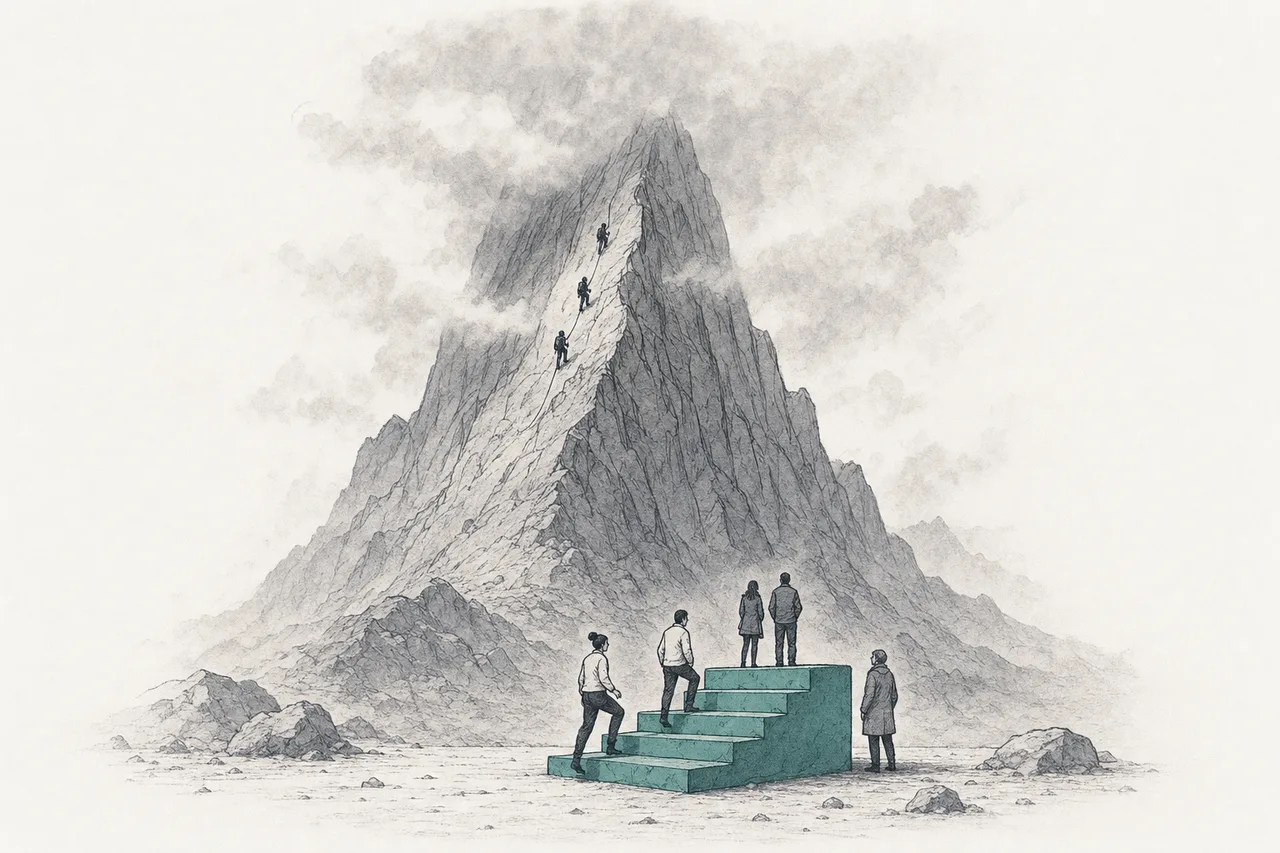
On the risk side, there are three layers worth saying plainly:
- The science is unproven: most of the work has only mouse results, not humans. Unity Biotechnology, which shut down in 2025, is proof that a beautiful idea can really fail in the clinic — and many companies' valuations rest on hope more than data
- No regulatory path: as long as the FDA won't accept "aging" as a disease, there's no way to sell an anti-aging drug directly. The TAME trial that would open this door is still underfunded — so the whole business model hangs in uncertainty
- Mixed with snake oil: because "selling the hope of a longer life" makes money instantly, this field is full of supplements and services that claim more than the evidence supports. Investors have to separate "real science" from "marketing on the fear of death"
And that's why this chapter is a "map," not a "promise" — the real value of seeing the whole trend is spotting which parts are science that could change the world, and which are hope running ahead of the evidence, before you go explore each category in detail — just tap into the deep-dive chapter of whichever category interests you.